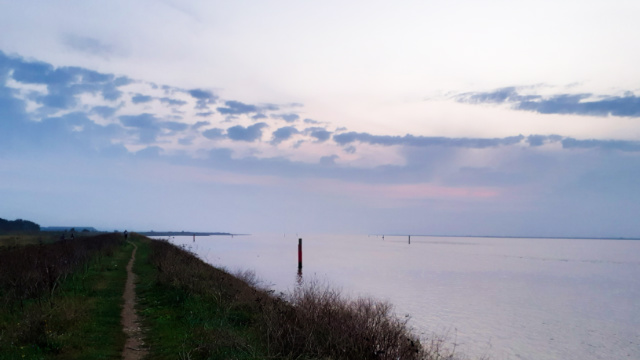
Via Flixton Decoy, Flixton Marshes, Somerleyton, Ashby and Lound. 9th September 2020
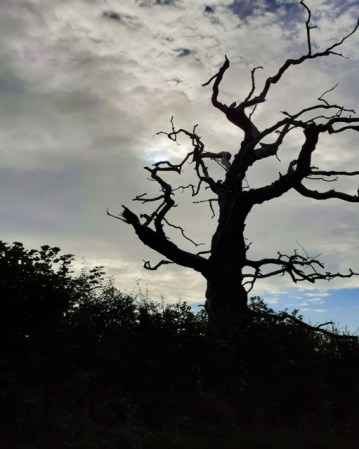
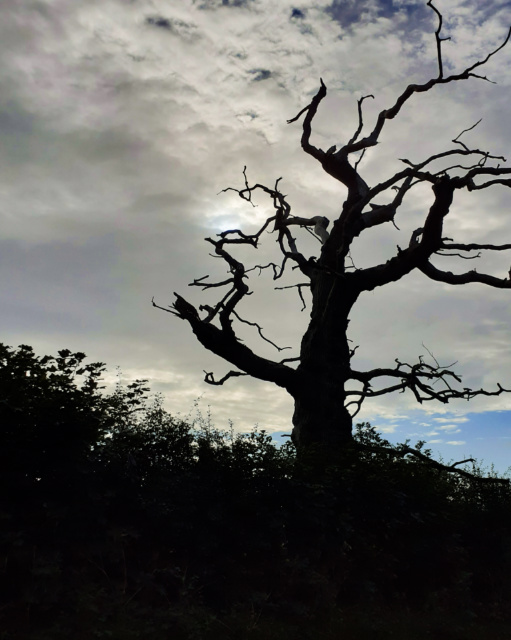
Iconic Tree: 📷 09/09/2020
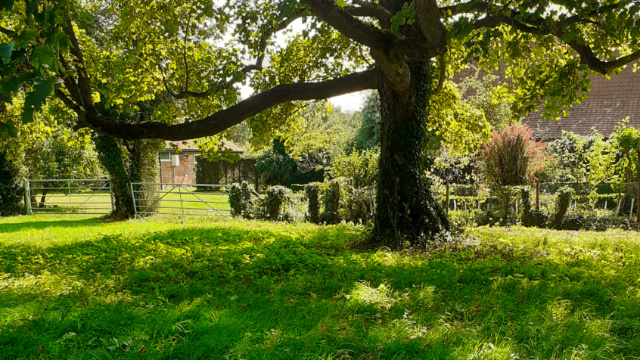
I know some of you have seen this iconic tree before. It’s not that it marks the start of the walk, though it does mark where we have to turn off ‘proper’ roads, just that I can’t resist it.

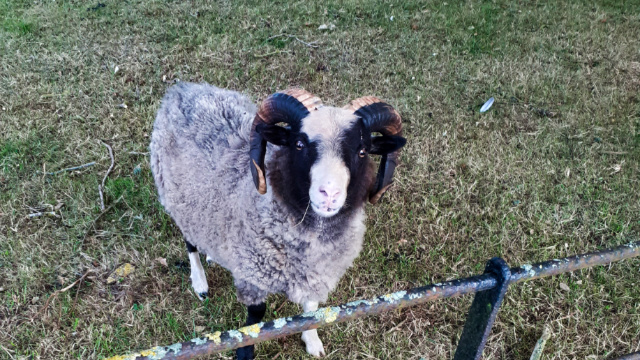
Sidney (so I’ve been told): 📷 09/09/2020
Last time here we were greeted by geese. This time by Sidney (at least, that’s what I’m told is his name)
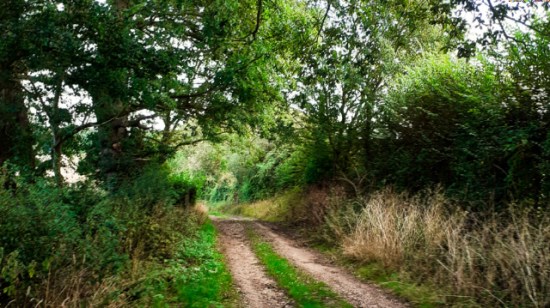
Through the farmyard and down the track to the marsh: 📷 09/09/2020
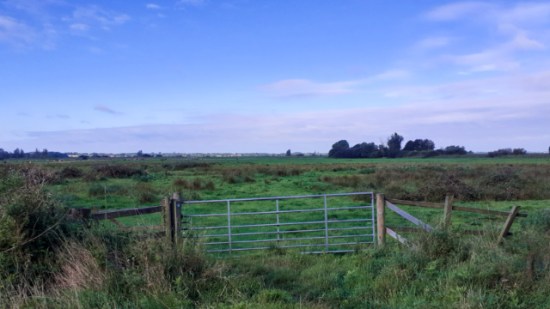
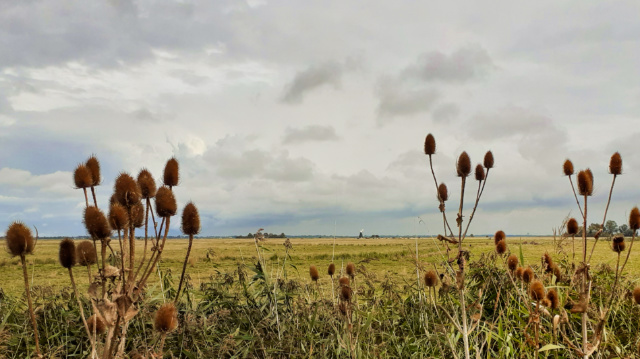
Flixton Marshes: 📷 09/09/2020
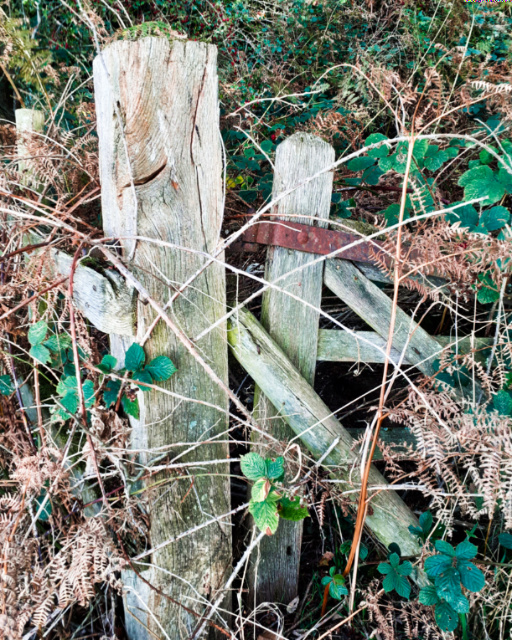
Flat marshland isn’t the best of subjects. But I’m getting the knack. Look for something of interest, something vertical. A gate will do nicely.
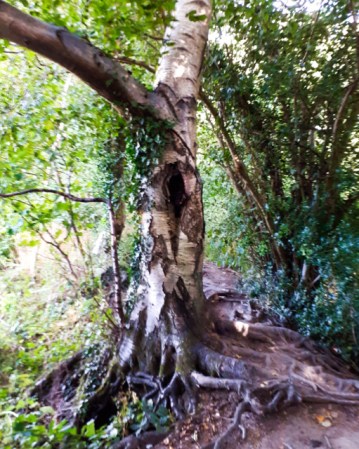
Silver Birch, Ancient Mother of the Woodlands: 📷 09/09/2020
I’ve photographed this tree so many times. Birch and oak are the first colonisers of wasteland. This one sits proud atop an old estate boundary which probably doubled as flood defence.
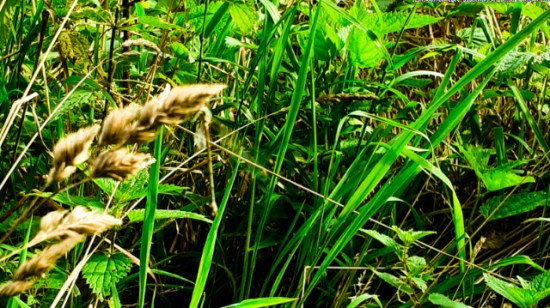
Green dragonfly: 📷 09/09/2020
I’ll leave you to search for it. It is there…
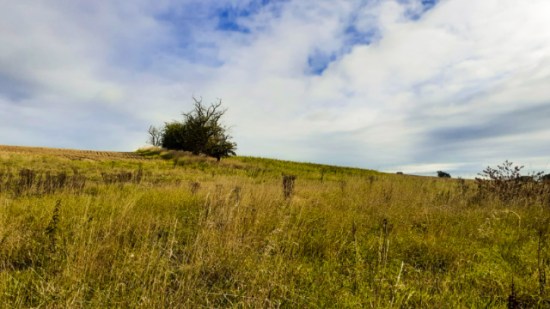
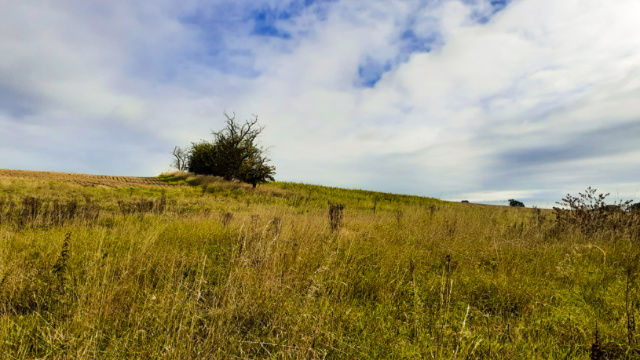
A hill! 📷 09/09/2020
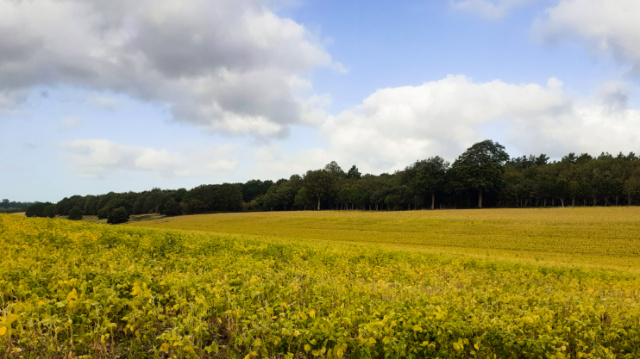
Amazing, I’m just over the border from “flat as a pancake” Norfolk. Yet here are hills. Those hills once were dunes grown out of beautiful white sandy shores.

The footpath: 📷 09/09/2020
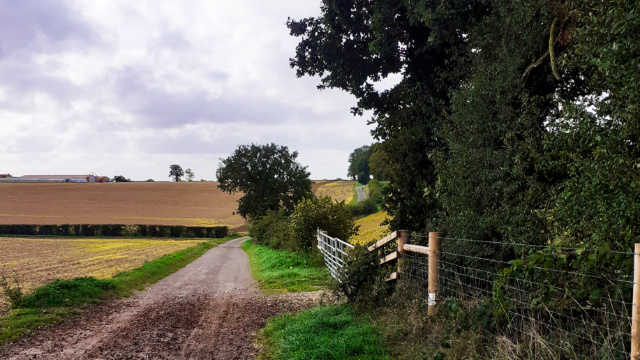
Wending between the Waveney Valley and those Sand Hills is this path. This year it’s passable. It isn’t always, the nettles and brambles closing it over
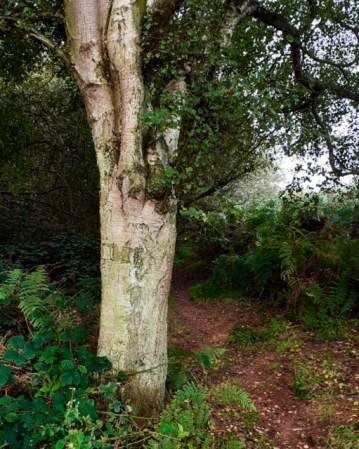
A tree! 📷 09/09/2020
Although there are trees all along this path, it once forming a boundary, this one, in particular, caught my affections. It looks like a witch’s scrawny, craggy hand.
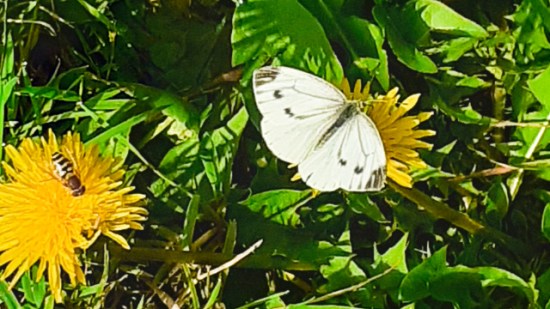
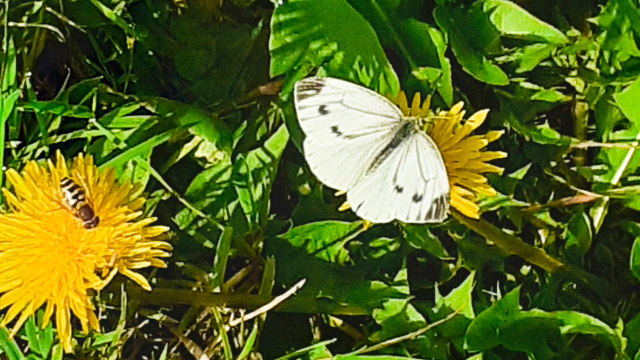
Large White Butterfly on a dandelion: 📷 09/09/2020
Since changing to the phone-camera I haven’t had much success with photographing butterflies. A combination of factors. I have a defective right eye (awaiting op) and I’m still getting used to the camera. But I’m pleased with this one cos cameras don’t like yellow and white when the sun’s full on them
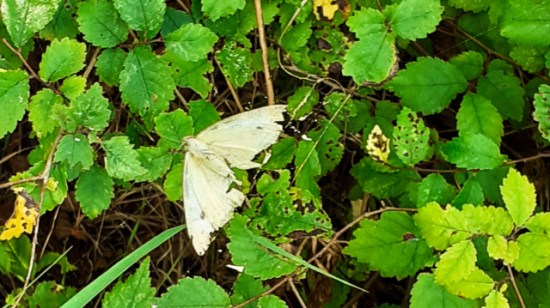
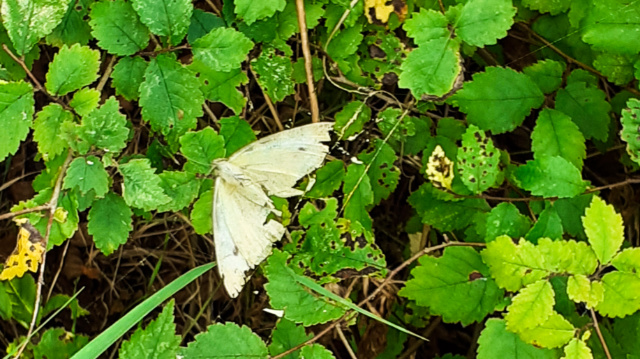
White moth caught on spider’s web: 📷 09/09/2020
I know you can’t see the web, but it is there.

Single Track Road with Passing Places: 📷 09/09/2020
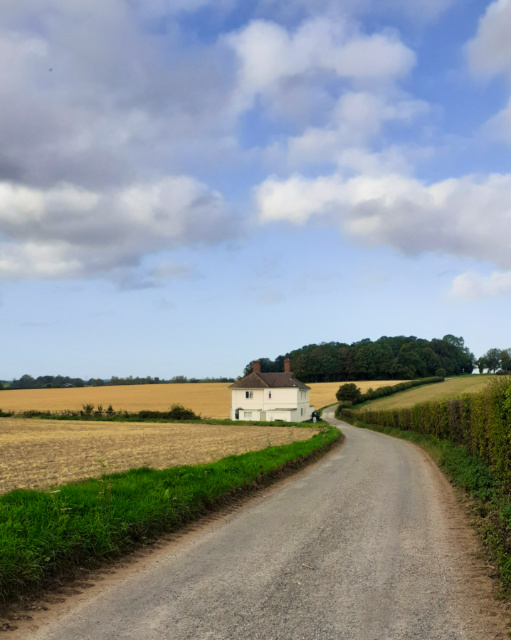
Typical road in this borderland

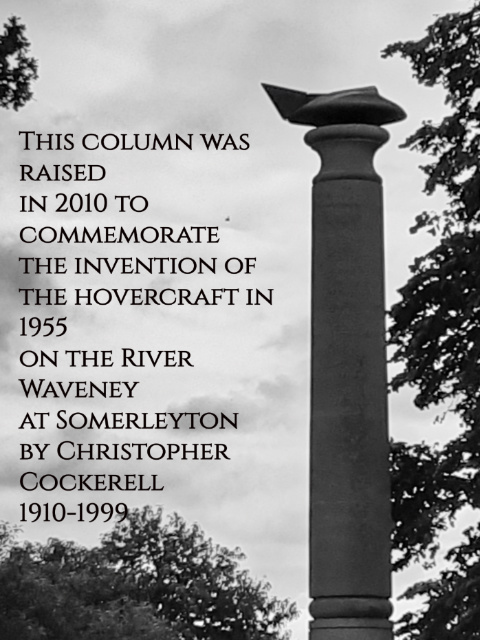
Somerleyton’s claim to fame: 📷 09/09/2020

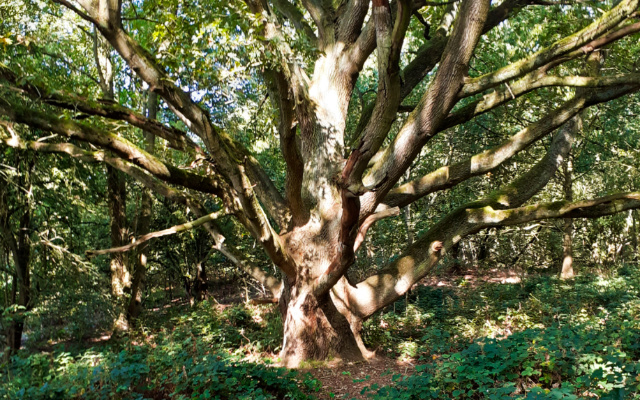
A medusa of an oak-tree: 📷 09/09/2020

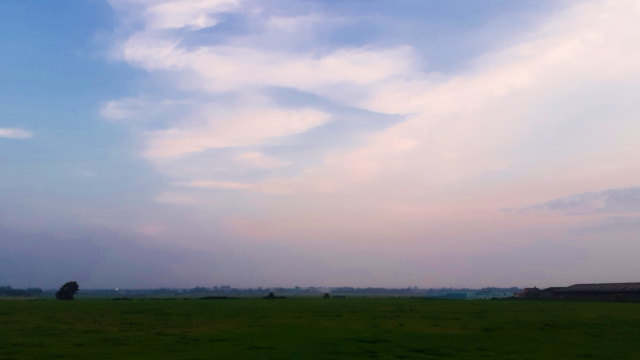
Approaching Hopton: 📷 09/09/2020
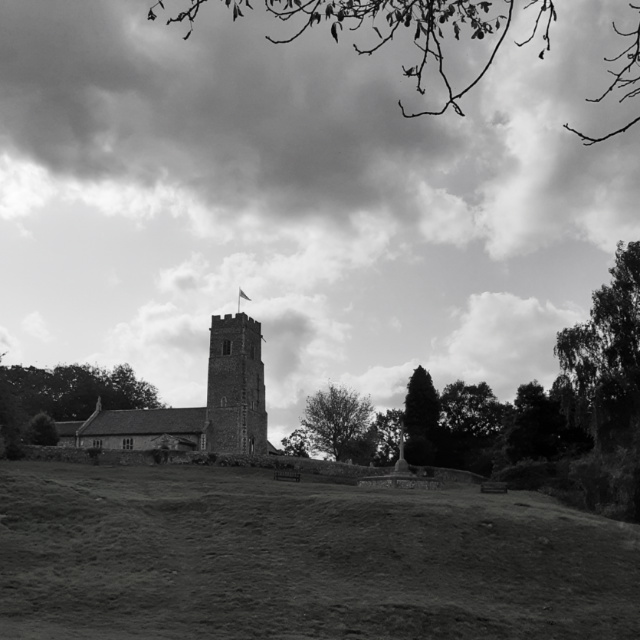
Heading towards Gt Yarmouth, the land flattens and the clouds gather in ominous darkness.
But it’s been a good day. Hope you enjoyed your 10-mile walk. I posted the photos of flowers and fungi from the walk last Tuesday.