

Crimson’s Creative Challenge #68: Aug 2018
Breydon New Bridge — seen above — was built in 1983.
I remember it well; it was the year I moved to Great Yarmouth…
… from Costessey, with its old bridge — seen below
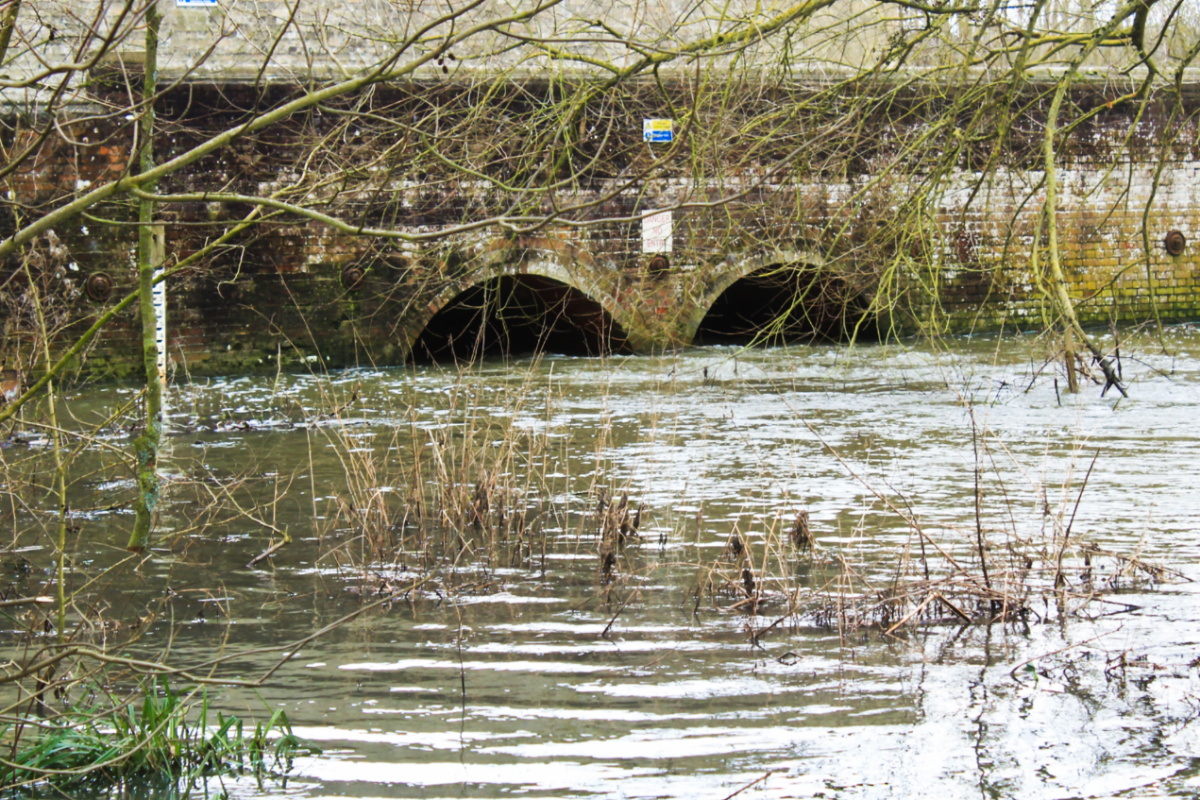
Costessey Mill: March 2018
Crimson’s Creative Challenge #68: Aug 2018
Breydon New Bridge — seen above — was built in 1983.
I remember it well; it was the year I moved to Great Yarmouth…
… from Costessey, with its old bridge — seen below
Costessey Mill: March 2018
CCC#68
Welcome to my weekly challenge—open to all—just for FUN, FUN, FUN
Here’s how it works:
Every Wednesday I post a photo (this week it’s that one above.)
You respond with something CREATIVE
Here are some suggestions:
You have plenty of scope and only two criteria:
If you post a link in the comments section of this post I’ll be able to find it
If you include Crimson’s Creative Challenge as a heading, WP Search will find it (theory)
by ‘Searching’ in the WP Reader (fingers crossed)
Here’s wishing you inspirational explosions. And FUN.
Beneath The New Bridge over River Yare at Great Yarmouth
Posted last week by my good friend Lynn, over at Word Shamble. I do thank her most deeply for this.
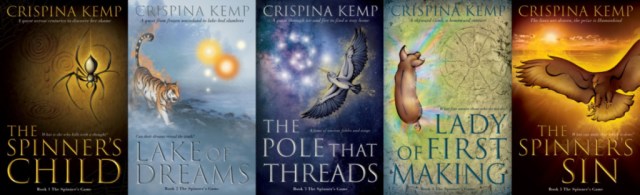
Crispina Kemp is a blogger, photographer, prehistorian and writer who has just released her fantasy series – The Spinner’s Game – for pre-order on Amazon Kindle (see links below).
Following on from my previous post where Crispina related the books’ evolution from initial ideas and blog posts to finished novels, she joins me this week to discuss mythical inspirations and future projects.
*
LL: Hi Crispina, thanks for dropping by.
You’ve described The Spinner’s Game as a story told across five books, as opposed to a five-book series. But what did you take as inspiration?
CC: The inspiration hides in an earlier book.
I had written a story set in the Neolithic period in southwest Britain with an antagonist named the Head of Kerrid. Keen as I am on Celtic mythology, I took the name Kerrid from the Welsh goddess Cerridwen. But I realised this antagonist needed a backstory. Why…
View original post 757 more words
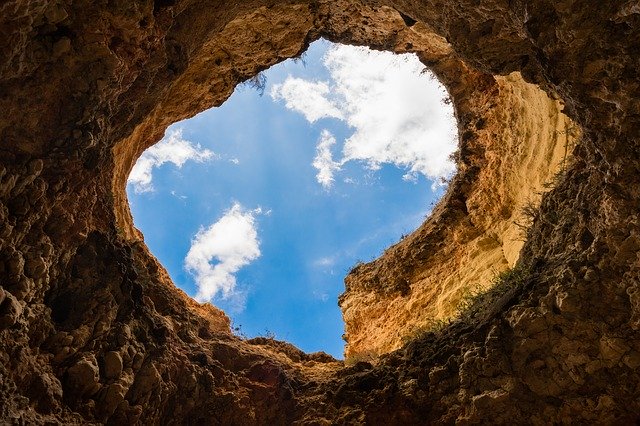
photo by Rudy and Peter Skitterians on pixabay
The way he cleared the site… that was thorough
The clearings sorted into piles, biodegradable and non-perishable
The way he loaded the metals and plastics into the skip… that was admirable
The way he constructed a bonfire, safe so the flames wouldn’t spread… that was neighbourly
The way he mounded the lighter organic materials to be composted… that was masterly
The way he levelled the ground now cleared… that was careful
The way he measured and drove in the pegs… that was skilful
But the way he dug that hole… that was abysmal
93 words written for Sammi’s Weekend Writing Prompt: Abysmal
The birch, first amongst trees, seems to be host to every species of fungus… seems to be.
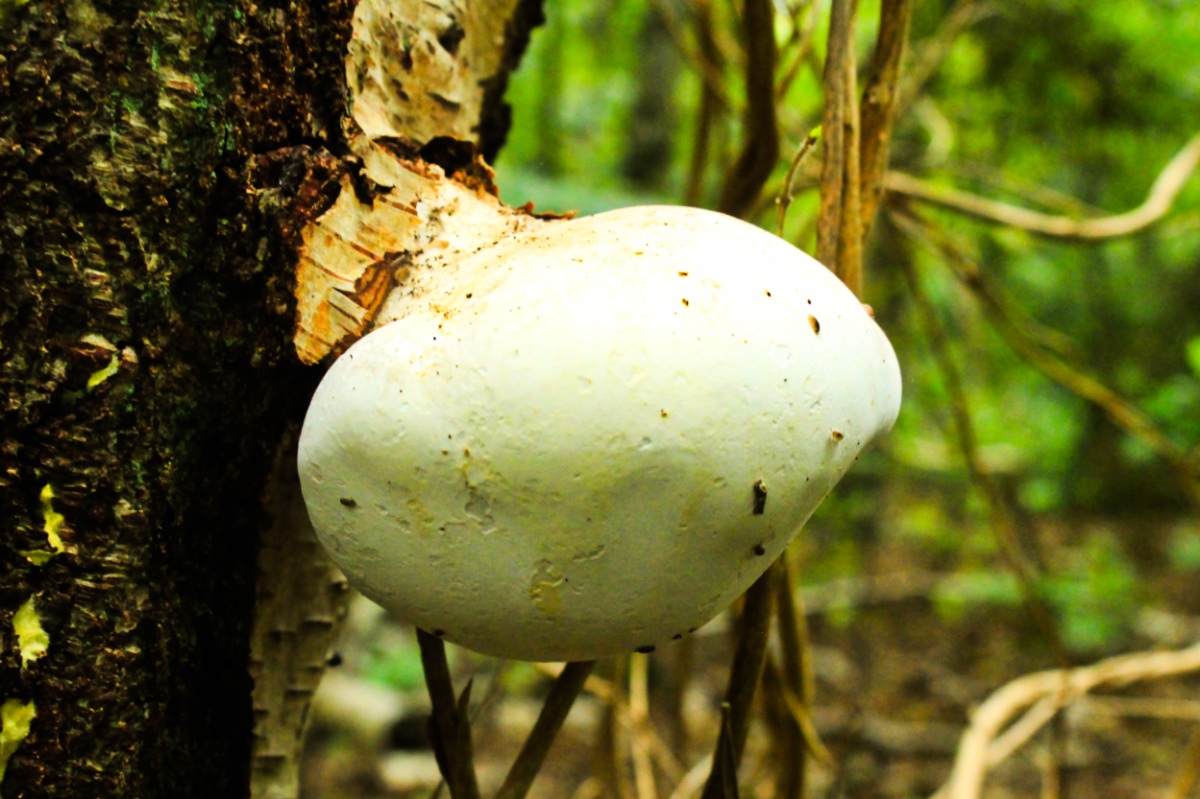
photo taken 8th October 2019
This one’s a birch polypore, though not in its usual hoof-shaped form. Truly, I felt sorry for the tree, to have such a growth bursting forth.
Walking around town… mostly all I’ve done these last two months… and this caught my eye. So I stood a while and reflected: This might make a good shot.

Great Yarmouth Fire Station: 31st December 2019
Reflection, another title achieved in Maria’s Antonia’s #2020picoftheweek
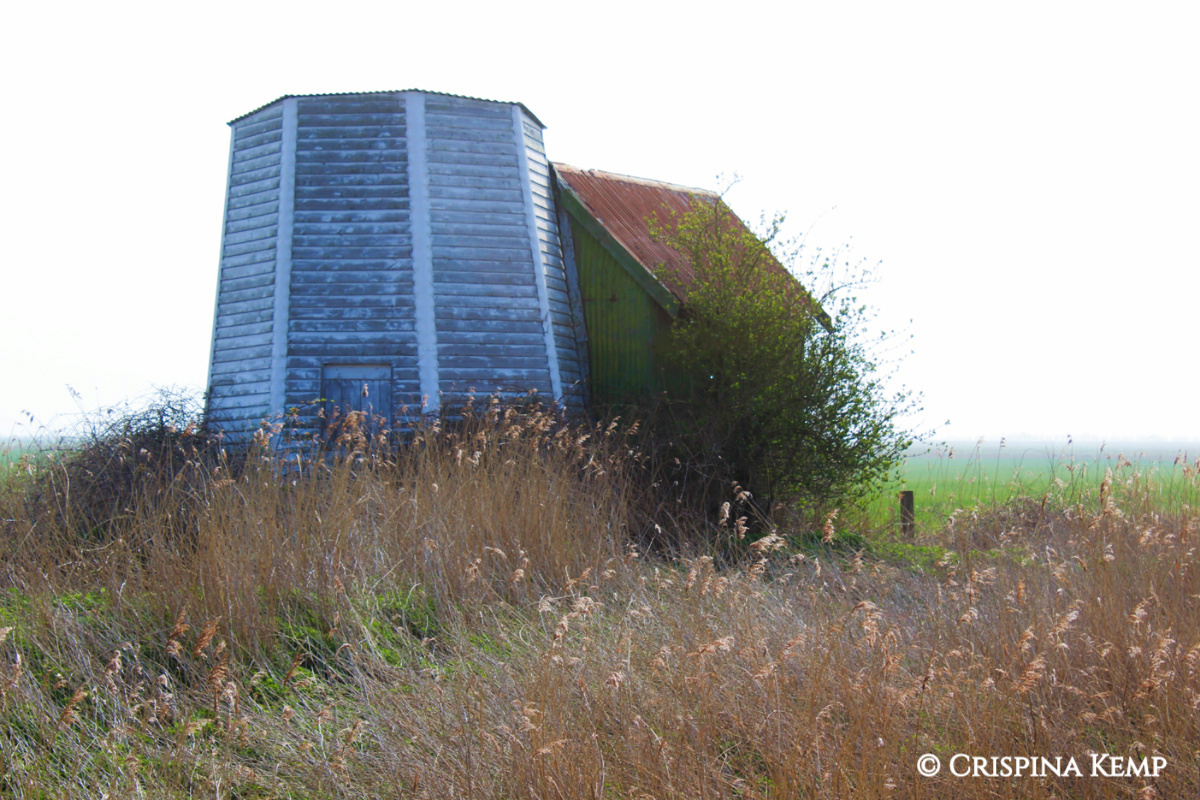
Crimson’s Creative Challenge #67
There is a mill upon the fen
Beloved of troll, shunned by men
Never a grain was grinded there
But water raised from flood to mere
All the work of boggarts and trolls
But don’t let on, you’ll scare our souls
CCC#67
Welcome to my weekly challenge—open to all—just for FUN, FUN, FUN
Here’s how it works:
Every Wednesday I post a photo (this week it’s that one above.)
You respond with something CREATIVE
Here are some suggestions:
You have plenty of scope and only two criteria:
If you post a link in the comments section of this post I’ll be able to find it
If you include Crimson’s Creative Challenge as a heading, WP Search will find it (theory)
by ‘Searching’ in the WP Reader (fingers crossed)
Here’s wishing you inspirational explosions. And FUN.
Tunstall Dyke Smock Mill, built ca. 1900, restored in 1994
Featured in a post I wrote back in April 2017, The Two Mills of Tunstall
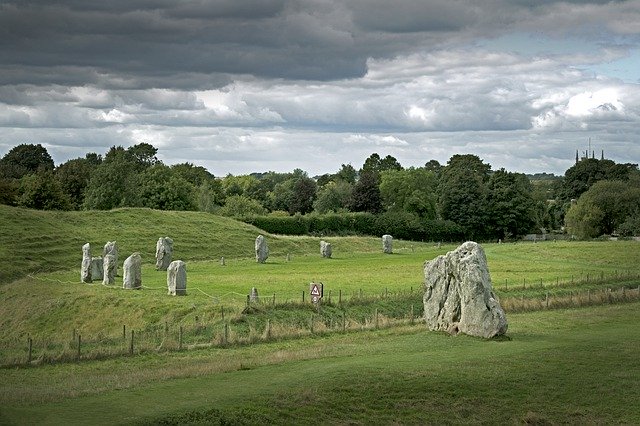
The stones of Avebury: image by Tim Bigger
Opinions were divided on the nature of the village stones.
Were they carried here by giants to be sculpted in an ancient competition; said competition abandoned before any had completed a sculpture?
Or were they beasts and beings, rejected and discarded when they failed the creator god’s inspection?
Or had the moderns the answer and the stones were the remnants of an ancient seabed, trundled here by the trek of glaciers?
71 words written for Sammi’s Weekend Writing Prompt
In truth, Avebury’s stones are Cloud Stones: creatures caught in the act of becoming… as any who look at that sky will realise 🙂
I doubt there’s a gardener alive who’ll be happy to see this fungus spreading along the branches of fruit bushes and nut trees…

Coral spot, a fungal infestation
If you happen to see it in your garden, I found this link with advice on how to treat it and limit its spread.
Of course, if you see it in the wilds, it looks quite pretty.


